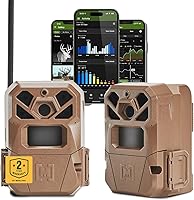
How Do You Secure a Trail Camera From Theft?
To secure a trail camera, fit it with a steel box made for its exact model, lock the box to an allowed mounting point, and place it out of easy view. Add a cable lock when the box and mounting point support one.
On this page (8 sections)
- How do you secure a trail camera from theft?
- Where should you place a camera to make it less noticeable?
- How should you choose a trail camera security box?
- When does a cable lock help?
- How should you mount and check the box?
- What rules should you check before locking a camera to a tree?
- How can you reduce damage and theft over time?
- Which setup should you choose to secure a trail camera?
To secure a trail camera, use a steel security box made for its exact model, attach it to an allowed mounting point, and place it where people are less likely to notice it. A compatible cable lock can add another barrier, but no setup can guarantee a camera won't be stolen.
Start by checking the camera model against the box's fit list. Then choose a mounting method that follows land rules, holds the camera steady, and keeps the lens aimed at the area you want to monitor.
How do you secure a trail camera from theft?
Fit the camera into a model-specific steel box and lock the setup to a sturdy mounting point. A box adds a protective shell and lock openings; a cable can connect the box to a tree or post when the hardware supports that route.
Before buying, compare the full camera model name with the box compatibility list. A close-looking model name is not enough: different versions can have different body shapes, antenna positions, or openings.
Choose a box with a mounting method that suits the site. Use a padlock only when the box has a padlock opening, and use a cable lock only when it can pass through the box and around the support.
A lock is a deterrent, not a guarantee. Place the camera out of casual view while keeping the lens, flash, sensor, and antenna clear.
Where should you place a camera to make it less noticeable?
Pick a useful location that isn't easy to see from a road, public path, or access point. Keep the lens aimed at the trail or sign you want to monitor, with no branches or other cover blocking its view.
Height and angle affect both visibility and the images you get. Consider the direction animals are likely to travel, the camera's detection area, and whether the view points toward a busy human route.
Our guide to where to place trail cameras covers positioning for useful images. Before choosing a spot, confirm that the land manager allows a camera there.
Ask permission before placing a camera on private property. Don't conceal a camera on someone else's land or aim it at neighboring property or places where people expect privacy.
How should you choose a trail camera security box?
Choose a box made for your camera series, with mounting and lock openings that suit the site. Skip a box if your exact model isn't named as compatible or if its mounting style conflicts with local rules.
The Tactacam Reveal Security Box fits REVEAL X, X 2.0, X 3.0, X-Pro, Pro 3.0, XB, and Ultra models. Its powder-coated steel shell has a front padlock hole and supports mounting with a lag bolt, strap, or bungee.
This is the clearest fit for owners of those REVEAL models who want a choice of mounting methods. Skip it if you use a different camera brand or model.
This box is designed around the listed REVEAL cameras. A padlock is not included.
The SPYPOINT SB-500S fits the FLEX, FLEX-G36, and FLEX-S. It has holes for pad and cable locks, plus rear mounting holes for attachment to a tree or post.
Choose it for a compatible FLEX camera when you want direct-mount holes and both padlock and cable-lock options. Skip it for FLEX-M2 or FLEX-PLUS, which it does not fit.
The Moultrie Security Box is designed for Edge series cameras and includes mounting hardware. Its locking tabs work with a padlock or cable lock, which are not included.
This box suits an Edge owner who wants mounting hardware in the package. Skip it if your camera is outside the Edge series, and plan to supply a compatible lock.
Compare model fit and mounting choices in our guide to trail camera security boxes. If you still need to choose a camera, start with our plain game camera buying guide.
When does a cable lock help?
A cable lock helps when it can pass through the box's lock openings and wrap around a sturdy support. It adds a connection to the mounting point, but it doesn't replace a fitted security box.
The Master Lock Python cable is adjustable, 6 ft long, and made with braided steel. It has a vinyl coating and comes with two keys.
Choose it when the route from the box, around the tree or post, and back to the lock fits within the cable's length. Skip it if your box has no compatible opening or the cable cannot be tightened around the support.
Before buying, map that route rather than judging by the tree's width alone. Some boxes have openings designed for a particular cable-lock style, so check fit if you plan to use a different cable.
How should you mount and check the box?
Mount the box firmly, then confirm that the camera remains aimed and unobstructed. Use only a method the box supports and the land manager allows.
A box with rear mounting holes can attach to a tree or post with screws or lag bolts. A strap or bungee may suit a box designed for those methods, but check it regularly for slack or movement.
After locking the box, confirm that the lens, flash, sensor, and antenna have a clear path. Take a few test images or check the camera's view before leaving the site, then make sure the box closes without pressing on controls.
Don't overtighten a strap or lock against the camera itself. The box should hold the camera in place without shifting its aim or making the controls difficult to reach.
What rules should you check before locking a camera to a tree?
Check the land manager's current rules before attaching a strap, cable, or bolt to a tree. Public land rules vary, and a mounting method allowed on private property may be prohibited elsewhere.
Ask permission before placing equipment on private land. If tree mounting isn't allowed, use a post or another support only if that option is permitted.
A compatible cable lock doesn't make a placement acceptable under local rules. Follow any requirements about unattended equipment and remove the camera when required.
How can you reduce damage and theft over time?
Inspect the setup periodically and remove the camera when you no longer need it. Look for a loose strap, shifted aim, damaged lock, or a box that no longer closes properly.
Limit who knows the camera's location and access details. If you use a cellular camera, remote image delivery may help you check activity without visiting as often; see our guide to cellular trail cameras.
Keep batteries and storage in good order so the camera doesn't remain in place after it stops serving its purpose. Our guide to trail camera batteries explains the main battery choices.
Which setup should you choose to secure a trail camera?
Choose the box by camera model first, then pick the lock and mounting method that fit the site. For a REVEAL camera among the seven listed models, choose the Tactacam box; for FLEX, FLEX-G36, or FLEX-S, choose the SPYPOINT SB-500S; for an Edge camera, choose the Moultrie box.
Add the Master Lock cable when its length and routing work with the box openings and mounting point. If you cannot confirm a compatible fit or an allowed mounting method, choose a different location or setup before leaving the camera.
For the final placement, use trail camera placement advice to balance visibility and a clear view of the target area.
Frequently asked questions
What is the best way to secure a trail camera from theft?
Fit the camera into a steel security box made for its exact model, then use a compatible padlock or cable lock and mount the box to a tree or post. Place it where it can still capture the trail without being easy to spot.
Check local rules before attaching hardware to public trees.
Does a trail camera security box stop theft?
A steel box and lock can make a camera harder to remove and may deter casual theft, but they can't guarantee it will stay in place. Choose a box that fits the exact camera model, mount it securely, and avoid leaving a camera in a location where you cannot check it.
Should I use a cable lock or a security box?
A fitted security box protects the camera body and gives you a place to attach a lock. A cable lock can secure the box or camera to a tree or post.
The two can work together, but confirm that the box has compatible lock openings and that your mounting method is allowed.
Can I put a trail camera on public land?
Rules vary by land manager and location, so check current regulations before placing a camera or attaching anything to a tree. Some areas restrict hardware, locks, or equipment left unattended.
Use a mounting method that follows those rules and remove the camera when required.