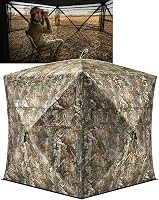
Ameristep Brickhouse vs Care Taker: Which Is Better? (October 2026)
For Ameristep Brickhouse vs Care Taker, choose the Brickhouse for up to 3 hunters and 10 windows, or the Care Taker for 2 hunters and integrated wheels. Match the blind to your group, gear and route to the site.
On this page (10 sections)
- Ameristep Brickhouse vs Care Taker: which fits your group?
- Which blind is easier to move and set up?
- Is the Care Taker better for a wooded setup?
- How do their windows compare?
- What do their concealment features have in common?
- How should you set up and care for either blind?
- What common buying and setup mistakes should you avoid?
- Which Ameristep blind should you choose?
- Frequently asked questions
- The simple Ameristep Brickhouse vs Care Taker decision
For Ameristep Brickhouse vs Care Taker, choose the Brickhouse if 3 hunters need to share a blind and use its 10 window openings. Choose the Care Taker for up to 2 hunters when a smaller footprint and integrated transport wheels fit your route.
The Brickhouse measures 59 x 59 in at the footprint and 67 in high. The Care Taker measures 55 x 55 in and 60 in high, and its integrated wheels help move it to a setup.
Both have shoot-through mesh windows, camouflage and a ShadowGuard interior coating. Their key difference is the space and layout each group needs.


Ameristep Brickhouse vs Care Taker: which fits your group?
The Brickhouse is designed for up to 3 hunters; the Care Taker accommodates 2. Choose based on the people, equipment and movement you expect inside the blind.
The Brickhouse offers extra elbow room for multiple hunters. The Care Taker is better matched to a solo hunter or a pair who want a smaller space to carry and place.
A blind that technically fits your group may still feel cramped once you bring packs, bows or firearms inside. Before choosing, think through where each person will sit, where gear will go, and whether each hunter can reach a useful window without crossing another person's space.
The footprint difference is 4 in in each direction. That can help in a tight patch of cover, but it does not replace checking the actual site for level ground, branches and a clear route in.
Ameristep Brickhouse vs Care Taker for a third hunter
Choose the Brickhouse when 3 people need to hunt from one blind. Its stated capacity and extra elbow room make it the more practical fit for a shared hunt.
A third person in the Care Taker would be beyond its stated two-hunter capacity. Crowding also makes it harder to shift position quietly, keep gear organized and use separate windows without bumping into one another.
The Brickhouse has 10 windows with shoot-through mesh and gun ports, which gives a group more openings to plan around. Each hunter should agree on a lane and position before the hunt so movement and equipment stay organized.
Which blind is easier to move and set up?
The Care Taker has integrated wheels; the Brickhouse is described as quick to set up and take down. Pick the one that suits the whole trip from vehicle to final position.
The Care Taker includes a carry bag, ground stakes and high-wind tie-downs. The Brickhouse product information names the blind as an included component, so check what accessories are included before heading out and bring any needed securing gear.
The Brickhouse's weight figures differ between the product details, so avoid building a long carry plan around a single number. Think about distance, terrain, who will carry it and whether you can stage equipment in more than one trip.
Before opening either blind, choose a spot with room for its footprint and the doors or windows you intend to use. Clear small obstructions from the area, keep the entrance path in mind, and avoid placing the blind where branches will press against the shell.
Is the Care Taker better for a wooded setup?
The Care Taker is a sensible choice for a compact setup in wooded terrain. Its 55 x 55 in footprint and integrated wheels suit hunters who value easier movement and a smaller space requirement.
Wheels help with transport, but they do not make every route smooth. Roots, soft ground, steep slopes and dense brush can still make moving a blind awkward, so inspect the approach and decide whether you will roll or carry it for part of the trip.
The Brickhouse needs a little more ground space, but its 59 x 59 in footprint remains close to the Care Taker's. Measure the chosen patch and leave room for the people and equipment that will be inside, not just the shell.
Our guide to hunting blinds and what to know before you buy explains how size, concealment and setup conditions affect your choice. For help planning the interior space, see how big a hunting blind should be.
How do their windows compare?
The Brickhouse has 10 windows and gun ports; the Care Taker has shoot-through mesh windows with silent toggles. The Brickhouse is the stronger fit if you want a stated number of openings to plan around.
The Brickhouse's window layout is intended to handle different shot angles and locations. Multiple openings can help a group organize its positions, but only when the blind faces the areas you actually want to watch.
The Care Taker's silent toggle system is a useful feature for opening or closing windows quietly. Its window count is not specified, so choose it for its compact two-person layout and transport features rather than assuming a particular number of openings.
Check your planned lanes before settling on either blind. A window only helps when it faces the area you intend to watch and gives you room to move safely.
Opening every window can make it harder to control movement and keep the interior dark. Decide which openings you need, adjust them before settling in when practical, and keep unused openings closed if that supports concealment.
What do their concealment features have in common?
Both blinds use Mossy Oak Break-Up Country camouflage and a ShadowGuard interior coating. The Brickhouse also has brush loops for adding natural foliage.
The dark interior coating is intended to reduce visible shadows and silhouettes. Keep movement deliberate near open windows, and avoid placing a bright object where it can stand out against the dark interior.
The Brickhouse's brush loops let you add natural foliage to its exterior. Use material from the immediate surroundings only when local rules allow it, and attach it so it does not block windows, doors or safe movement.
Camouflage works best when the blind's location and approach make sense for the surrounding cover. Set up with a clear view of the intended lanes, then avoid repeated trips through the area once the blind is in place.
For placement considerations, read how to set up a hunting blind. Our guide to ground blind size and use covers the broader choices involved.
How should you set up and care for either blind?
Pick the site first, then secure and arrange the blind before settling in. A good setup gives you space to use the windows, keeps gear out of the way and reduces avoidable movement.
Check the ground for a stable, clear footprint that matches the blind you chose. Allow room to enter, position equipment and use the openings without pressing the shell against nearby branches.
The Care Taker includes ground stakes and high-wind tie-downs. Use the supplied securing pieces according to conditions, and check that the blind is stable before you occupy it.
Avoid forcing a hub or frame if it catches during setup or takedown. Follow the blind's instructions, keep fingers clear of moving joints, and take a moment to understand how the frame folds before packing it away.
For care, the Brickhouse is specified for spot cleaning only. Clean affected areas gently, let fabric dry fully before storage, and keep the packed blind in its carry bag or other dry storage area.
Take down the blind carefully after use and check for dirt, moisture or caught foliage. Removing debris before packing helps keep the shell and moving parts clear for the next setup.
What common buying and setup mistakes should you avoid?
The biggest mistake is choosing by capacity or features without checking the site and carry route. Match the blind to your group, gear, access and intended viewing lanes.
Don't assume a two-person blind will be comfortable with bulky gear just because two hunters fit its stated capacity. Decide what equipment needs to come inside and whether it will block movement or windows.
Don't treat the Brickhouse's 10 openings as a reason to set it facing every direction. Choose a position around the specific lanes you want to watch, then use the openings that serve those lanes.
Don't plan transport around the Care Taker's wheels without checking the terrain. A route through roots, deep leaves or dense brush may require carrying the blind, so account for that before choosing a remote spot.
Finally, don't leave setup and care until the last minute. Practice opening and folding the frame at home, learn where the securing points are, and check the blind for damage or debris before each trip.
Which Ameristep blind should you choose?
Pick the Brickhouse for a group of 3 and its 10-window layout; pick the Care Taker for 1 or 2 hunters who value integrated wheels and a smaller footprint. That is the clearest rule for the Ameristep Brickhouse vs Care Taker decision.
Choose the Brickhouse if sharing the blind is central to the hunt, or if its stated window layout suits the lanes at your site. Skip it if your group is small and the larger footprint or multiple openings add little value to your plan.
Choose the Care Taker if you hunt alone or with one partner and want a compact blind with wheels for transport. Skip it if you need room for 3 hunters or want a specified window count before choosing.
If you want a two-person option designed around a backpack carrying case, the Ameristep Doghouse Run and Gun is another choice. Its 60 x 60 in footprint is larger than the Care Taker's, so weigh carrying style against the space you have.
Compare the best ground blinds if you'd like to weigh these options against other layouts. Measure your chosen site, plan the route and make sure the blind's capacity and openings match your group.
Frequently asked questions
Is the Brickhouse a 3-person blind?
Yes. Ameristep describes the Brickhouse as suitable for up to 3 hunters, with extra elbow room for a group.
Its 59 x 59 in footprint is larger than the Care Taker's, though packs and equipment also affect how much room each person has to move.
Does the Care Taker have wheels?
Yes. The Care Taker includes integrated wheels to help with transport.
It is designed to move and deploy in places such as wooded areas, and its 55 x 55 in footprint requires less ground space than the Brickhouse. Check the route, since rough or tangled ground may still require carrying it.
Do both blinds include ground stakes?
The Care Taker includes ground stakes and high-wind tie-downs. The Brickhouse's included components specify the blind, so check the contents and bring suitable securing equipment if needed.
Which blind has more windows?
The Brickhouse has 10 windows with shoot-through mesh and gun ports. The Care Taker has shoot-through mesh windows with silent toggles, but no window count is specified.
Can you use either blind for archery and rifle hunting?
The Brickhouse is described for archery and rifle hunters. The Doghouse Run and Gun is also described for both, while the Care Taker information does not specify a hunting style, so confirm that its openings suit your equipment and local rules before choosing it.
The simple Ameristep Brickhouse vs Care Taker decision
Choose the Brickhouse when you need space for up to 3 hunters and want 10 windows. Choose the Care Taker when a compact two-person blind with integrated wheels fits your route and setup area.
If your main concern is group space, start with the Brickhouse. If you hunt with one partner and need to move through a tight or wooded approach, start with the Care Taker.
For a wider comparison, see our guide to the best deer blinds and measure your site before you decide.
Frequently asked questions
Is the Brickhouse bigger than the Care Taker?
Yes. The Brickhouse has a 59 x 59 in footprint and is designed for up to 3 hunters.
The Care Taker measures 55 x 55 in and accommodates 2.
The Brickhouse is 67 in high, compared with the Care Taker's 60 in, so account for both floor space and height when planning the site.
Which Ameristep blind is easier to move?
The Care Taker has integrated wheels and is designed for transport and deployment in places such as wooded areas. The Brickhouse is also portable and sets up and takes down quickly, but its published weight figures differ, so plan your carry around the packed size and route instead of relying on one weight.
Can you shoot through the windows on both blinds?
Both blinds have shoot-through mesh windows. The Brickhouse has 10 windows with versatile openings and gun ports.
The Care Taker uses silent toggles for its windows.
Check the direction of your intended shooting lanes and confirm the openings work with your equipment and local rules.
Which blind is better for 3 hunters?
The Brickhouse is the clear fit for a group of 3 because it is designed for up to 3 hunters and offers extra elbow room. The Care Taker accommodates 2, so choose it for one or two hunters who want a smaller footprint rather than squeezing in another person.
What is another option between these Ameristep blinds?
The Ameristep Doghouse Run and Gun is designed for 2 hunters and comes with a backpack carrying case, tie-downs and ground stakes. Its 60 x 60 in footprint is larger than the Care Taker's, so it suits a two-person plan where carrying the blind on your back matters more than minimizing floor space.