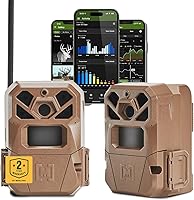
Does the SPYPOINT Flex-M Have GPS?
No, the SPYPOINT Flex-M does not have GPS built in. The camera has no location hardware, and it reports trail photos to your phone through its cellular connection without attaching coordinates. The SPYPOINT app handles location instead: you set a camera's site when you activate it, and the app plots it on personalized maps.
On this page (9 sections)
- Does the SPYPOINT Flex-M have GPS built in?
- So how do you know where each photo came from?
- Why does the Flex-M skip GPS?
- How does the SPYPOINT app handle location instead?
- Do you need cell signal at the camera site?
- Does GPS matter for theft recovery or security?
- What about the Flex-M Solar Bundle?
- How does the Flex-M compare with GPS-equipped cameras?
- Bottom line: does the SPYPOINT Flex-M have GPS?
No, the SPYPOINT Flex-M does not have GPS built in. The camera has no location hardware, and it sends trail photos to your phone through its cellular connection without attaching coordinates.
The SPYPOINT app handles location instead: you set a camera's site when you activate it, and the app plots it on personalized maps.
So the short answer to "does SPYPOINT Flex M have GPS" is no, and that matters less than it sounds for most deer hunters. You'll still get instant photos on your phone and a labeled camera on a map, just without a chip reporting the camera's position.
Does the SPYPOINT Flex-M have GPS built in?
No. The Flex-M's feature set is cellular transmission, night vision, photo and video capture, time-lapse modes, and app control.
There is no GPS receiver, no geotagging, and no automatic location stamp on the photos it sends.
What the camera does have is a cross-carrier cellular radio. It connects to a network on its own, without you swapping SIMs or picking a carrier, and it monitors network performance to stay connected.
That radio moves photos and status updates to the app; it doesn't report a position.
The maker lists the Flex-M's connectivity as cellular and wireless. Location isn't among the camera's features, so don't expect coordinates in a photo's details or a pin dropped when you turn it on.
The specs back this up: the connectivity protocol is cellular, the control method is app plus push-button, and the capture details stop at 28MP photos and 720p video with sound.
So how do you know where each photo came from?
You tell the app. When you activate the Flex-M in the SPYPOINT app, you can name the site and sort that camera's photos under it.
Personalized maps in the app then show your cameras grouped by those sites.
This is manual location, not GPS. You decide the label, like "north ridge stand" or "back food plot," and the app keeps the camera tied to it.
If you move the camera, update the label so the photos keep matching the spot.
For a single camera or a handful, this works fine. The label does the job a GPS chip would do in most scouting setups, and it costs you a minute during setup.
Our walkthrough of how to set up a SPYPOINT Flex-M covers activation and the app steps in order.
Where does the camera's address come from during setup?
Nowhere inside the camera. You start by scanning the QR code on the unit, then the app adds the device to your account and lets you name it.
The site you type there is the label that sticks with the photos.
That means the accuracy of your map is exactly as good as your naming. If you scan the code and leave the camera under a generic default name, the app has nothing to place on a map.
Naming it as you activate it, while you're standing at the tree, is the step that makes the map useful later.
Why does the Flex-M skip GPS?
The Flex-M is built as a value cellular camera. Its headline features are the free photo plan and cross-carrier coverage, and the maker puts the money there rather than in location hardware.
The free plan sends up to 100 photos a month with no fees and no commitment.
That trade-off suits most hunters. A GPS chip adds cost and battery drain, and the app's site labels cover the common need of knowing which camera sent which photo.
You get 28MP photos, 720p video with sound, and night vision without paying for a feature you may never open. The camera weighs 16 ounces and measures about 3.15 by 3.93 by 5.1 inches, so it packs light for the walk in.
If you run many cameras across a big property, a GPS tag would save time when building a map. In that case, weigh the convenience against the price of cameras that include it.
Our look at whether cellular trail cameras are worth it helps frame that decision.
How does the SPYPOINT app handle location instead?
The app gives you the location tools most hunters actually use. It offers personalized maps, real-time weather updates, and BUCK TRACKER AI for filtering photos by species.
You manage settings and firmware updates remotely from the same screen.
Activation happens through the app too. You scan the camera's QR code, and the app walks you through adding the device.
That's when you set the site name that keeps the camera organized. You can also run the first power-on firmware download, format the microSD card with the camera's FORMAT button, and fire a test photo, all while standing at the tree.
One practical note: the app's map depends on the location details you enter and your phone's data, so keep your site names clear and consistent. If you run several cameras, a simple naming pattern like "ridge 1," "ridge 2," and "food plot" makes the map readable at a glance.
The weather feed is worth naming sites around, too. If the app shows a cold front or heavy rain coming for one named area, you know which camera to check first without guessing which photos belong where.
Do you need cell signal at the camera site?
Yes. The Flex-M sends photos over a cellular network, so the site needs coverage for photos to reach your phone.
The camera's cross-carrier design means you don't have to research which network is strongest and buy a matching SIM; it connects without that step.
Signal still varies by terrain. A hollow or a dense creek bottom can block service even when a ridge top nearby has bars.
Hang the camera where it can report, and expect photos to queue and send once the connection returns.
No signal means no photos on your phone, GPS or not. Check coverage at the exact tree before you commit a spot.
Our guide to cellular trail cameras and their plans explains how carriers and photo plans affect where a camera works.
Does GPS matter for theft recovery or security?
Only partly. A GPS chip could help you find a stolen camera, but it needs power and a signal to report, so it's not a guarantee.
Steel and a lock do more to prevent the theft in the first place.
The Flex-M fits SPYPOINT's SB-500S steel security box, which is built for the FLEX line. It's 16-gauge zinc-coated steel with a front hole for a padlock and side holes for a cable lock.
Back mounting holes let you screw it to a tree or post.
Pair the box with a cable lock and you've covered the common theft path. GPS wouldn't stop someone from taking the camera; the box makes taking it harder.
If security is your main worry, spend there first and treat GPS as a bonus feature on other models.
One check before you buy: the box fits the Flex-M, FLEX-G36, and FLEX-S, but not the FLEX-M2 or FLEX-PLUS. If you own one of those, this box isn't the match.
What about the Flex-M Solar Bundle?
The solar bundle uses the same Flex-M camera. It adds an SPLB-10 compact solar panel, an installation strap, and a heavy-duty mounting arm.
Location works exactly as on the standalone camera: no GPS, app site labels only.
The solar panel changes the power side. It keeps the camera running longer between battery changes, which matters for year-round property monitoring.
You still get the free 100-photo plan, 28MP photos, and the app's maps.
The bundle also supports the optional LIT-22 rechargeable battery pack and takes a 32GB microSD card, which is required for operation. Neither of those adds location hardware, but both stretch how long a camera can sit unattended on a distant site.
If you plan to leave a camera out through the season, the bundle is the practical pick. If you already own solar panels or move cameras often, the standalone Flex-M covers the same ground.
Either way, neither version carries GPS.
How does the Flex-M compare with GPS-equipped cameras?
Cameras with built-in GPS usually cost more and tie you to a brand's app for the location features. They can stamp coordinates on photos or map a camera automatically.
For a hunter with a few stands, that's convenience you can recreate with a site label.
The Flex-M's strength is its plan and coverage. The free tier is the only free photo plan for cellular cameras according to SPYPOINT, and the cross-carrier radio means no SIM shopping.
Those two things affect daily use more than a location chip. The paid tiers start at 5 dollars a month for 250 photos or 15 dollars for unlimited, billed monthly or annually with no activation fees.
If you want to compare against another budget-friendly cellular option, our Moultrie Edge 2 review covers a rival in the same value tier. Weigh the plans and app features against GPS, then decide what you'll actually use in the field.
Bottom line: does the SPYPOINT Flex-M have GPS?
No. The SPYPOINT Flex-M has no GPS hardware.
It sends photos over cellular to the SPYPOINT app, and you assign each camera to a named site so the app's maps keep your cameras organized. For most hunters, that's enough location control, and it keeps the camera's cost and power use down.
Pick the Flex-M if you want a low-cost cellular camera with a free photo plan and app maps. Pick a GPS-equipped model only if you run many cameras on large properties or want automatic geotags for recovery.
For a closer look at the value tier and what plans cost, read cellular trail cameras: plans, carriers and what to buy.
Frequently asked questions
Does the SPYPOINT Flex-M Solar Bundle add GPS?
No. The bundle pairs the same Flex-M camera with an SPLB-10 solar panel, mounting arm, and strap.
The added hardware is for power and mounting, so the camera's location handling works the same as on the standalone version.
Can the SPYPOINT app tag photos with a location?
Yes. The SPYPOINT app builds personalized maps and organizes cameras by site, so you can name a stand or food plot and sort photos by it.
The coordinates come from the app's setup, not from a GPS chip inside the camera.
Do I need cell signal for the Flex-M to send photos?
Yes. The Flex-M sends photos over a cellular network and needs coverage at the camera site.
It works across carriers without you choosing one, but a dead zone means photos wait until the camera reports again.
What does the Flex-M do for location on its own?
Nothing automatic. The camera sends photos and status updates, and you assign each unit to a named site in the app.
That manual label is how you keep track of which camera covers which area.
Is GPS important for a trail camera?
Rarely. Most people know where they hung each camera and label it in the app.
GPS matters more for stolen-camera recovery or for mapping many cameras across large properties, and even then it's a nice extra rather than a must-have.