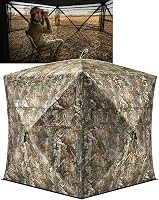
When Should You Set Up a Ground Blind?
Set up a ground blind several days before your hunt when you can leave it in place. Choose the timing and site around cover, wind, access, and local rules.
On this page (9 sections)
- When to set up a ground blind before a hunt
- What should you check before choosing a setup day?
- Can you set up a ground blind on hunt day?
- How does wind change when to set up a ground blind?
- Where should you place a ground blind?
- How can you make a blind blend in after setup?
- What should you do before leaving a blind in place?
- Common ground blind setup mistakes to avoid
- Which ground blind setup should you choose?
Set up a ground blind several days before your hunt when you can leave it in place. A quiet approach, useful cover, and a workable wind direction matter as much as the date you choose.
If you need to set it up the same day, allow time to leave the area before hunting. Check local rules first, then plan how you'll enter and exit without walking through likely deer travel routes.
When to set up a ground blind before a hunt
A few days ahead is a useful starting point, not a guarantee that deer will ignore a blind. Their response can vary with cover, hunting pressure, and how often people visit the area.
Leave the blind in place between setup and the hunt when possible. Moving it or repeatedly walking around it adds activity near the site and can make your approach harder to keep predictable.
If you can't visit ahead, choose a spot where natural cover helps break up the blind's outline. Plan the setup trip around a quiet route and a favorable wind, then give yourself time to leave before the hunt.
For a wider look at blind types and features, see our guide to hunting blinds and what to know before you buy. It can help you decide whether a portable ground blind fits your hunting style and site.
What should you check before choosing a setup day?
Check local rules, wind, access, and cover before carrying a blind into the area. A convenient spot may be a poor choice if the route to it crosses ground deer use.
Plan both your setup route and your hunting-day route. Wind direction may change, so consider whether you can approach without sending your scent across expected travel paths in the conditions you anticipate.
Look at the site from the directions deer might approach. A camouflage pattern does not hide a hard outline against open ground or a skyline, so use existing vegetation and terrain to help the blind blend in.
Also think about what you'll need to do once inside: where the windows face, whether you can see the area you want to watch, and whether movement inside will be exposed. A blind that fits the site but points the wrong way can be difficult to use.
Can you set up a ground blind on hunt day?
Yes, but plan for the extra movement and choose a spot that is quick to reach without crossing likely deer paths. Same-day setup can make sense when access is limited or plans change, but it gives you less time to let the area settle.
Keep the setup quiet and avoid unnecessary changes to nearby vegetation. Once the blind is ready, check the view and leave the area before you intend to hunt.
The Ameristep Doghouse Run and Gun is designed to conceal two hunters. Its multiple windows have shoot-through mesh and gun ports for different angles.
Its 60 x 60 in footprint and 66 in height give you a specific size to compare with your site and planned use. It comes with a backpack carrying case, tie-downs, ground stakes, and shoot-through mesh porthole covers.
Choose it if you want a two-person blind with several window options; skip it if you need a smaller footprint or a setup for one person only.
How does wind change when to set up a ground blind?
Choose the site and route for the wind you expect during the hunt, not just the direction when you arrive. A blind does not make your scent disappear, so plan to keep it from drifting toward deer.
If the wind is wrong for your planned spot on hunt day, consider another location or wait for conditions that suit it. A short walk is helpful only if the route avoids areas deer are likely to use.
Wind also matters while the blind is unattended. Secure it with appropriate stakes and tie-downs.
Check local rules before leaving equipment at a site. Our guide to staking down a ground blind explains what to consider when securing one.
Where should you place a ground blind?
Place the blind where surrounding cover breaks up its outline and your route stays clear of likely deer movement. Check the site from the directions deer may approach, not only from the seat inside.
Face the windows toward the area you need to observe, with a clear view and safe shooting lanes. Before hunting, check that the window openings let you see what you need without forcing exposed movement.
Our guide to whether deer notice ground blinds explains how shape, movement, and placement can affect visibility. If you are still comparing locations, where to place trail cameras covers access and travel-route factors that can help you observe an area before choosing a blind site.
How can you make a blind blend in after setup?
Use existing cover to soften hard edges, and keep windows and exits clear. Brush it in only when local rules allow and you can do so without damaging vegetation or making noise close to deer.
The Allen Company Camo Netting measures 12 ft long by 56 in wide. Its fine mesh is designed to conceal a viewing port while allowing you to see through it.
Use only enough material to help break up the outline. Check the view from inside, keep the exit accessible, and make sure loose material can't shift into your sightline.
Skip netting if the blind already blends into the site or if adding it would block a window or make setup noisier. It is an accessory for concealing a viewing port or edge, not a replacement for choosing a well-covered location.
What should you do before leaving a blind in place?
Secure the blind and check that it can remain at the site under local rules. Use the included stakes and tie-downs where suitable, and avoid leaving loose gear behind.
The Ameristep Care Taker is designed for two hunters and has integrated wheels for transport. It measures 55 x 55 x 60 in and includes ground stakes and high-wind tie-downs.
The Care Taker suits hunters who value wheels for moving the blind and want stakes and tie-downs included. Skip it if you don't need those features or want a different size; its compact footprint may not suit every group or setup.
Before leaving it in place, check for loose parts, a clear exit, and restrictions on unattended equipment. If you're unsure whether it gives you enough room, see how big a hunting blind should be before choosing a site.
Common ground blind setup mistakes to avoid
The most avoidable mistakes are choosing a site for convenience alone, arriving too close to hunt time, and blocking the view while trying to add cover. A little planning can prevent a blind from being poorly positioned or difficult to use.
Don't assume camouflage hides every outline. Check the blind against the background from likely approach directions, and choose a site with natural cover rather than relying on extra material to fix an exposed location.
Don't set up without checking your route and wind. A good position can lose its value if you walk through the area you want to hunt or carry your scent across it.
Finally, don't leave a blind unsecured or unattended without checking local requirements. Confirm the stakes and tie-downs are appropriate, keep the exit clear, and pack out anything that doesn't stay with the blind.
Which ground blind setup should you choose?
Choose the setup that fits your site, group, and access route. Set up several days ahead when you can leave the blind in place, and use a same-day setup only when you can approach quietly and leave enough time before hunting.
Pick the Doghouse if you want a two-person blind with multiple windows, shoot-through mesh, and gun ports.
Choose the Care Taker if integrated wheels and included stakes and tie-downs suit how you'll move and secure it. Add Allen Company netting only when it helps soften an edge or viewing port without blocking your view.
For any of these options, let cover, wind, access, and local rules guide when to set up a ground blind and where to put it.
Frequently asked questions
How many days before hunting should you set up a ground blind?
Set up a ground blind several days before hunting when your schedule allows, then leave it in place so deer can encounter the change without seeing you arrive just before the hunt. There is no fixed number that works everywhere.
Cover, deer pressure, access, and wind all affect how the area settles.
Can you set up a ground blind the day you hunt?
Yes, you can set up a ground blind the same day, but the movement and new shape may alert deer nearby. Choose a covered spot, take a quiet route that avoids likely travel paths, and leave time to exit the area before hunting.
Should you brush in a ground blind?
Brush in a ground blind when local rules allow it and you can use cover without damaging vegetation or making noise near deer. Natural cover or suitable netting can soften hard edges.
Keep the windows clear and preserve a safe, unobstructed view.
Does wind affect when to set up a ground blind?
Wind affects both setup and hunting access because it can carry your scent toward deer. Check the forecast and your likely approach before choosing a spot, and avoid routes that cross expected travel paths.
Wind can shift, so have another location or plan ready.