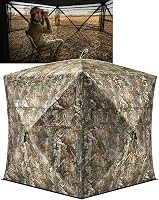
How Do You Stake Down a Ground Blind?
To stake down a ground blind, anchor its corners, attach tie-downs at the blind’s intended points, and check for movement. Choose stakes for the soil and follow the blind maker’s instructions.
On this page (7 sections)
- How do you stake down a ground blind step by step?
- Which stakes should you choose for your ground blind?
- How do you stake a blind in different soil?
- How tight should ground blind tie-downs be?
- What mistakes make a blind less secure?
- How should you care for stakes and tie-downs?
- Which stake kit fits your setup?
To stake down a ground blind, secure its corners, attach tie-downs where the blind allows, and check that the frame and fabric stay steady. The right anchor depends on the soil, the blind’s anchor points, and whether you need extra tie-downs.
A blind that shifts can pull stakes loose or put strain on its frame. Set it up on suitable ground, keep straps snug rather than stretched tight, and check every anchor before hunting.
How do you stake down a ground blind step by step?
Open and secure the blind first, then stake its anchor points and add tie-downs. This lets you place each anchor in line with the frame and avoid pulling the fabric out of shape.
- Choose a spot with reasonably level ground and soil that can hold stakes.
- Open and secure the blind according to its instructions.
- Find the corner loops or other intended anchor points.
- Place a stake at each point, driving or turning it as its design allows.
- Attach tie-downs only to the blind’s intended attachment points, then anchor their ends.
- Check the frame, fabric, stakes, and straps for looseness or uneven tension.
Leave straps snug enough to limit movement, but not so tight that they bend the frame or pull hard on the fabric. Walk around the blind and correct any tilted stakes or slack lines before settling in.
Which stakes should you choose for your ground blind?
Match the stake kit to the blind’s anchor points, soil, and the number of anchors you need. A threaded tip may help where ordinary stakes are hard to place, while a larger pack can suit a setup with several anchor points.
The Barronett All-Terrain Ground Stake Kit includes 8 threaded-tip stakes, 4 tie-downs, and a carry bag. Its screw-in tips are intended for tough terrain, including rocky ground, so it suits buyers who want both stakes and tie-downs in one kit.
The YIYIREA Hunting Blind Stakes Kit includes 4 alloy-steel stakes and 4 retractable ratchet straps. It fits a blind setup that uses strap anchors and a buyer who wants ratchet straps included; skip it if your blind has no suitable tie-down points or you need more than four stakes.
The AVOFOREST pack has 12 galvanized-steel stakes, each 7.1 in long, with an orange finish. It suits a setup that needs several stakes and a buyer who wants visible anchors during pack-up; skip it if your blind needs longer stakes or tie-down straps.
The number of stakes in a kit does not set the right number for every blind. Follow the blind maker’s instructions, and use only anchor points that are meant to take tension.
For help choosing the shelter itself, compare the features in this guide to ground blinds and what to know before you buy a hunting blind.
How do you stake a blind in different soil?
Place each stake where it can hold securely, and move the anchor if the ground prevents a sound placement. Don’t force a stake into a rock or keep using one that bends or pulls loose.
How to stake down a ground blind in firm soil
In firm soil, set the stake at the blind’s anchor point and follow the stake’s intended placement method. Check that it sits firmly and doesn’t tilt when the tie-down is snugged.
Stop if the stake bends or won’t seat. A stake that is only partly secured can loosen as the blind moves.
What if the ground is rocky?
Move the anchor point if a stake meets a rock. Barronett’s threaded-tip stakes are intended for tough terrain, including rocky ground, but a threaded tip cannot make every spot suitable.
Choose a nearby position that keeps the setup balanced and lets the stake seat properly. Don’t pull a strap sharply sideways to reach an anchor that is too far from the blind.
What if the soil is loose or sandy?
Loose soil may not hold a short stake firmly. Look for a firmer place for the anchor, then check the stake again after the strap is attached.
If the stake shifts under light tension, reset it or move the setup. Don’t count on tighter straps to make a weak anchor hold.
How tight should ground blind tie-downs be?
Tighten each tie-down enough to limit movement while keeping the blind’s frame in its intended shape. Excessive tension can distort the frame or strain the attachment point.
Use the blind’s intended anchor points and follow its setup instructions for strap placement. The YIYIREA kit’s ratchet straps suit a blind designed to use strap anchors, but don’t attach them to frame parts that aren’t meant to carry tension.
Keep straps clear of paths where someone could trip. Make them easy to see when you leave, and check the fabric and frame after tightening to catch uneven pull.
What mistakes make a blind less secure?
The most common setup errors are poor stake placement, uneven tension, and skipping the final check. Fix these before hunting so a loose anchor doesn’t become a problem after you’re settled.
- Choosing a stake by count alone: More stakes are useful only if the blind has anchor points and the ground can hold them.
- Forcing a stake into rock: A bent or poorly seated stake can shift. Move to a suitable spot instead.
- Pulling one tie-down much tighter than the others: Uneven tension can pull the frame out of line.
- Using straps on the wrong parts of the blind: Use only intended tie-down points.
- Leaving slack in a line: A loose strap allows movement and can catch on brush or become a trip hazard.
- Skipping a second check: Soil can give way as stakes are set. Recheck the anchors and straps once the blind is fully open.
A blind’s position can also affect concealment and access. Read when to set up a ground blind and whether deer notice ground blinds before choosing your spot.
How should you care for stakes and tie-downs?
Clear dirt from stakes and straps before packing them, then store the kit together so you can check it before the next setup. A carry bag helps keep the Barronett kit’s stakes and tie-downs in one place.
After use, check stakes for bends and straps for damage or wear. Let damp gear dry before storing it, and replace damaged anchors rather than relying on them for the next outing.
Keep sharp stake tips protected during transport. Before heading out, confirm you have the number of stakes and tie-downs your blind’s instructions call for.
Which stake kit fits your setup?
Choose Barronett for threaded-tip stakes with four tie-downs, YIYIREA for a four-stake kit with ratchet straps, or AVOFOREST for a 12-stake pack. The right choice depends on your blind’s anchor points and the ground at your site.
Pick Barronett if rocky or tough terrain is a concern. The kit also includes a carry bag.
Pick YIYIREA if your blind is designed for ratchet tie-downs. Choose AVOFOREST if you need multiple visible stakes and don’t need straps in the kit.
To learn how the blind’s size affects setup room, read how big a hunting blind should be. For this question of how to stake down a ground blind, use the blind maker’s anchor points, choose stakes suited to the soil, and check every line for movement before hunting.
Frequently asked questions
How many stakes do you need for a ground blind?
Use the number and anchor points recommended by the blind maker. The Barronett kit includes 8 stakes and 4 tie-downs, the YIYIREA kit includes 4 stakes and 4 ratchet straps, and the AVOFOREST pack includes 12 stakes.
Check the blind’s instructions and the soil before choosing a kit.
Should you stake a ground blind in rocky soil?
Choose anchor points where you can place stakes securely, and don’t force a stake into rock. Barronett’s kit has threaded tips intended for tough terrain, including rocky ground.
Move an anchor point if a stake won’t seat properly.
Do ground blinds need tie-down straps?
Tie-downs can add anchor points between the blind and the ground when the blind has attachment points for them. Keep straps snug enough to limit movement without pulling the frame out of shape.
Follow the blind maker’s setup instructions for placement and tension.
How do you stake a blind in windy conditions?
Use the anchor points the blind maker recommends, secure stakes in suitable ground, and add tie-downs at the intended points. Check for movement before use and as weather changes.
Don’t use the blind if you can’t secure it safely.